BOWEN WU
COMPOSITION/SOUND/AUDIOVISUAL
About
Bowen Wu is a composer, sound designer, new instrument designer, and audiovisual artist based in Glasgow. His artistic practice spans sound art, film scoring, soundscape composition, experimental music, audiovisual composition, installation and live electronic performance.
Grounded in a reflection on and transcendence of the Eastern–Western dichotomy, Wu’s creative research reinterprets and reconstructs the notion of Chineseness through an ecological lens. His work explores the generative relationships among art, environment, body, and technology, employing diverse media such as electronic sound, spatial installations, interactive instruments, and post-digital practices. Often data-driven, his compositions investigate how perceptual experience extends and transforms across media and material forms. Situated between reality, dream, and illusion, his works delve into the complexity of multidimensional existence, inviting audiences to re-engage with perception and spatial intuition.
Wu’s works have received international recognition, including the MA/IN24 Awards, MUSICACOUSTICA–Hangzhou 2024 Competition, The 6th Danny Awards International Electronic Music Competition, IEMC 2024 International Electronic Music Competition, and the Beeffie Creative Musical Artists Special Prize, among others. His compositions have been presented at festivals and exhibitions across China, the UK, the US, Italy, Spain, Greece, France, South Korea, Thailand and Ecuador, including the New York City Electroacoustic Music Festival, Fringe Arts Bath, GLEAM Festival, ArteScienza 2024, KORA Festival, in律 Contemperament Music Festival, NOIS//E Nature Art Sound Festival, and IMAF 2025.
In addition, his works have been featured at academic conferences such as ICMC 2024, IEEE ICME 2025, GOSIM Hangzhou 2025, CCF China Computational Art Conference, and PdMaxCon 2025. Wu integrates creative practice and scholarly research, with publications in Organised Sound and Art and Society.
He holds a Master’s degree in Composition for Screen from the University of Edinburgh and is currently pursuing a PhD in Electronic Music Composition at the University of Glasgow.
Audiovisual
Mixobloodify

X=

Birds Market

Birds Market II

Chao-flux.mono

Cirquadr

Astrofin
Sound/Music

Space inside space

Sichuan Flavor Aesthetics

Scotory

AxialForce

Vascellum
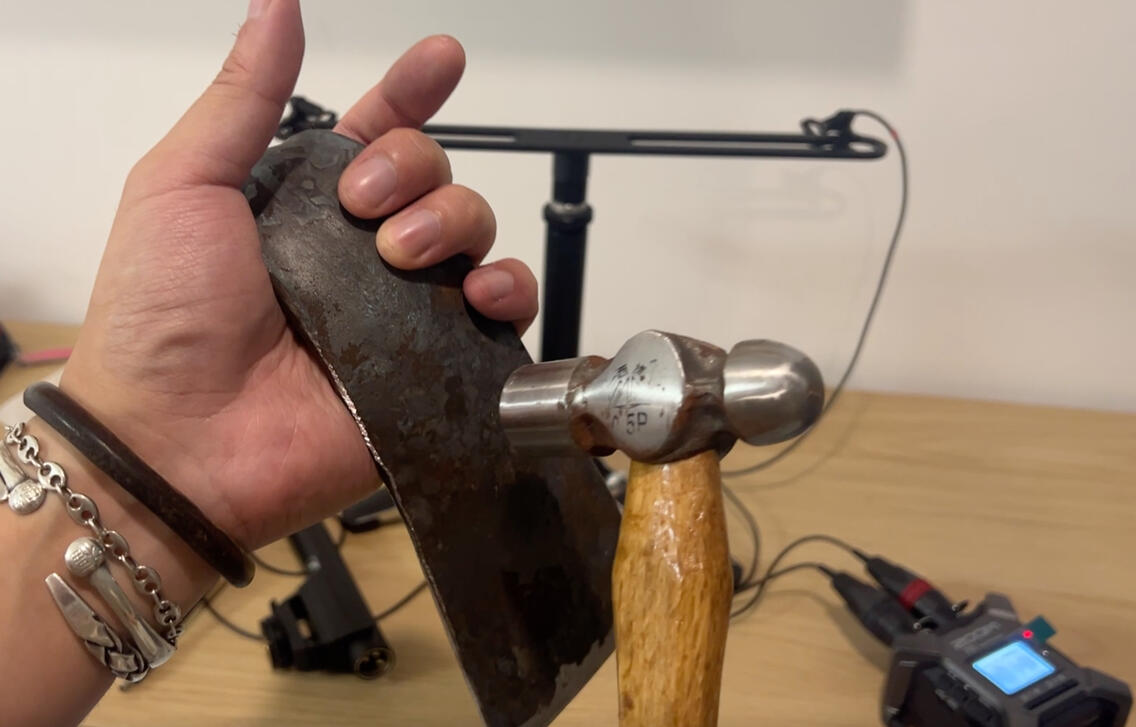
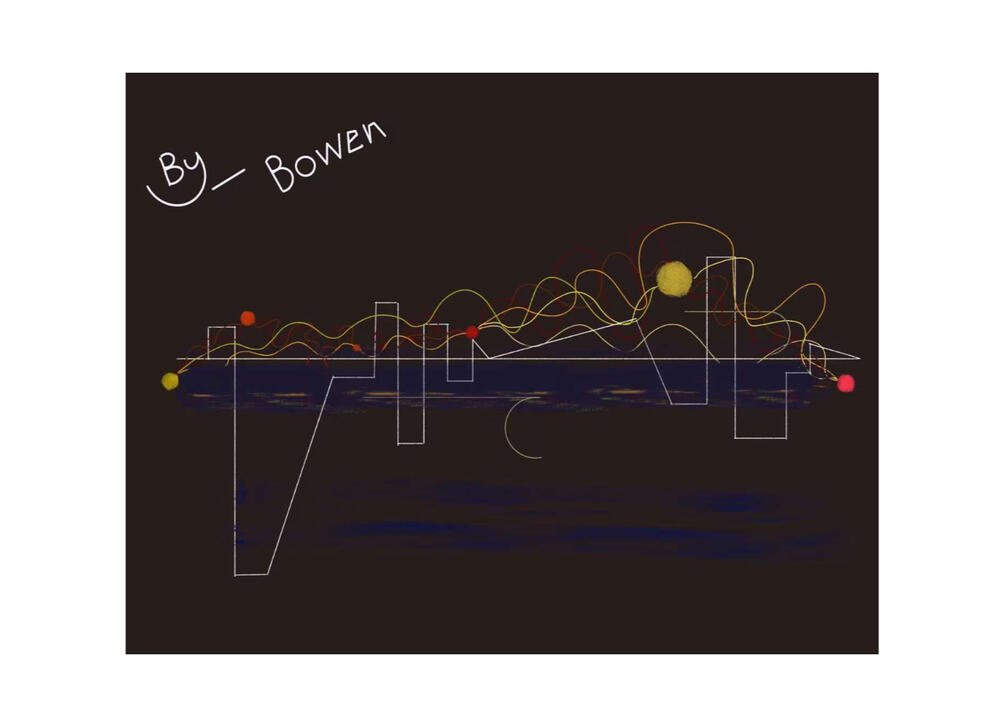
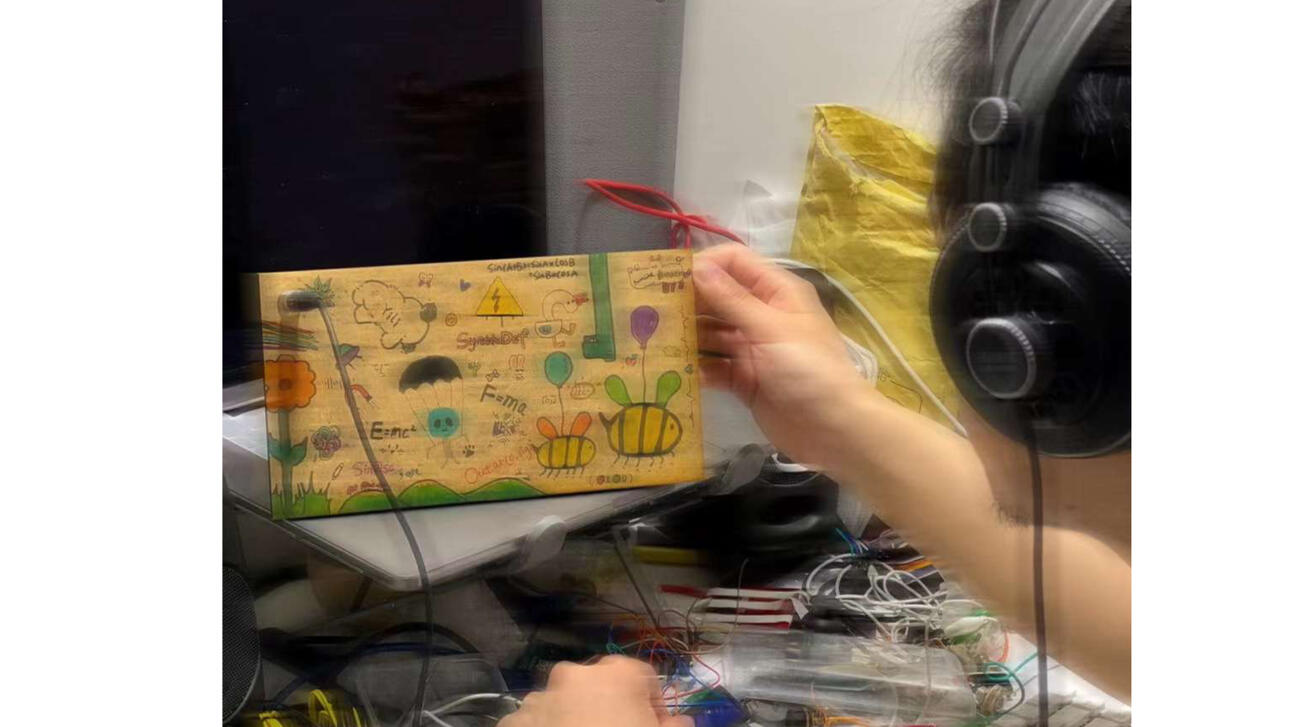
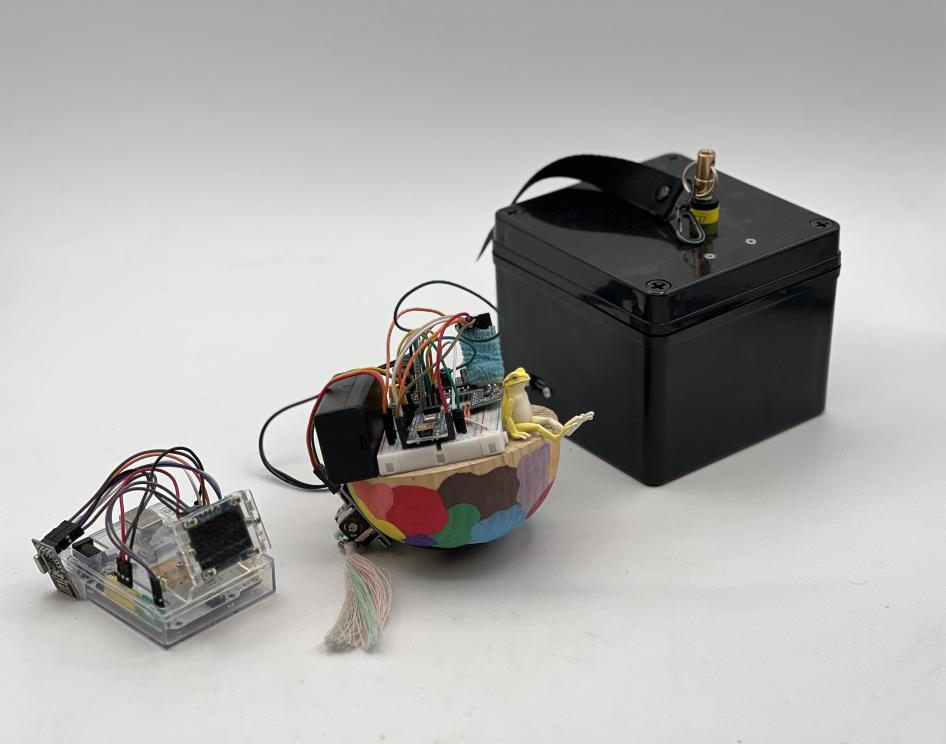
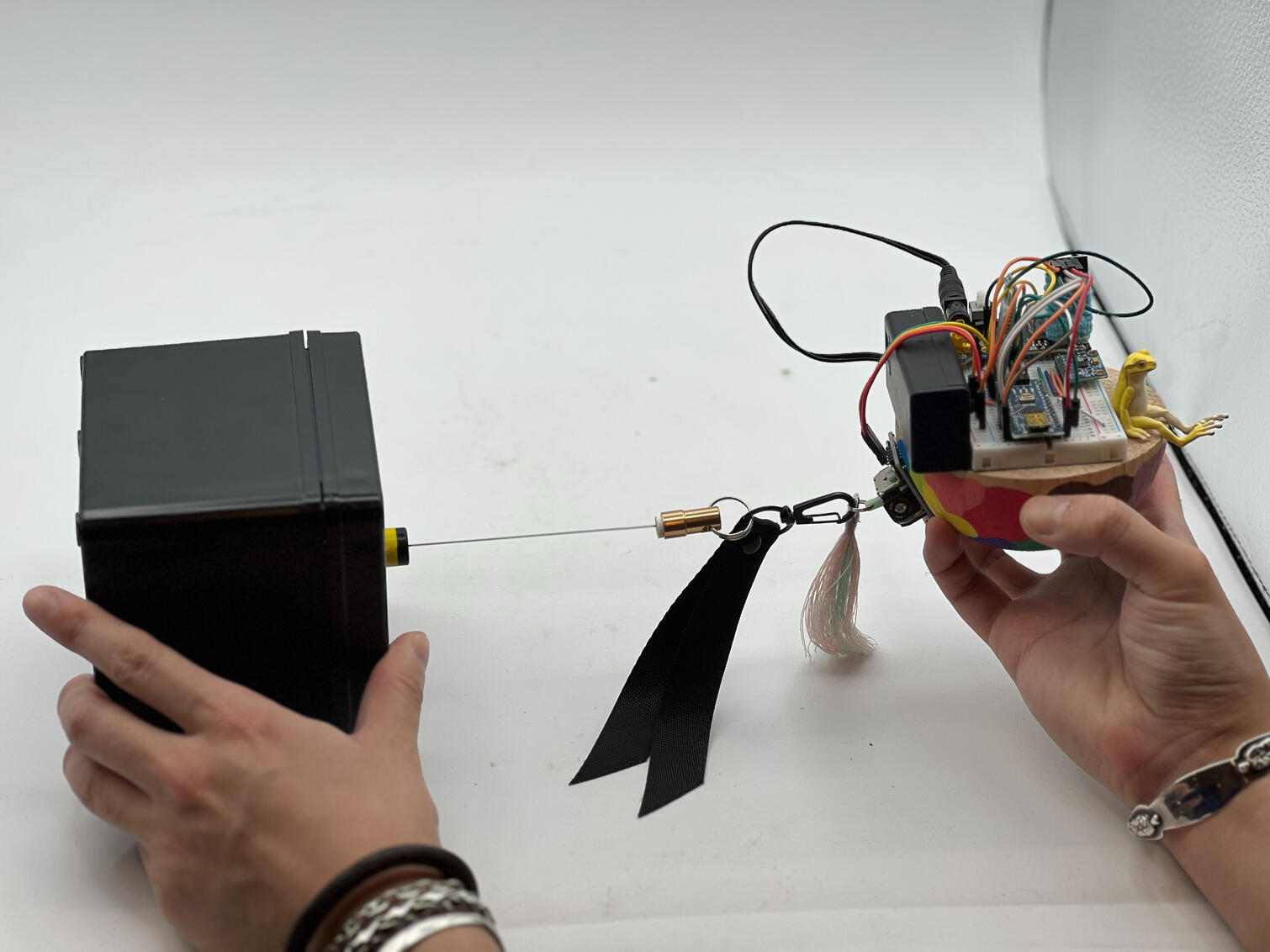
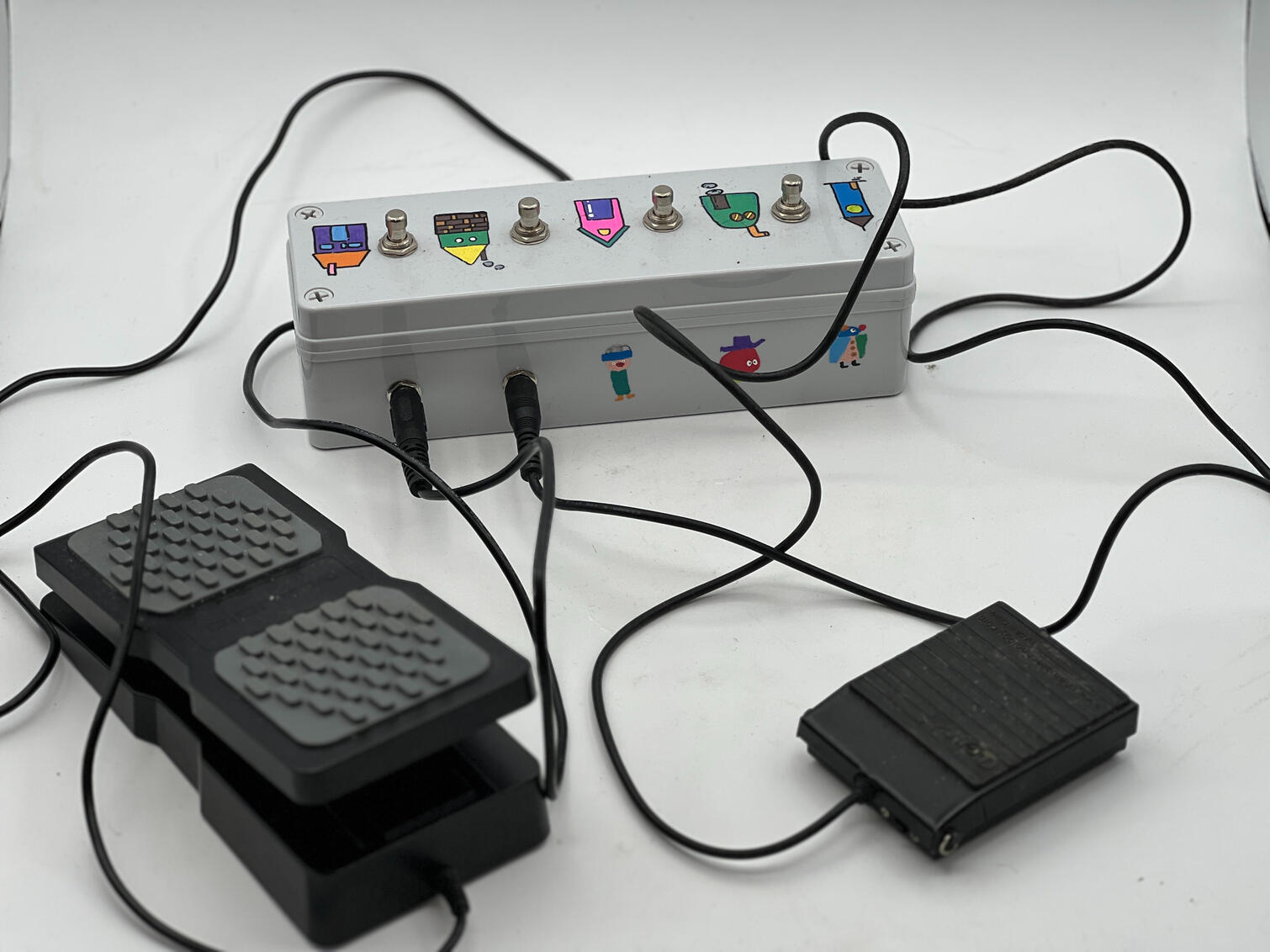
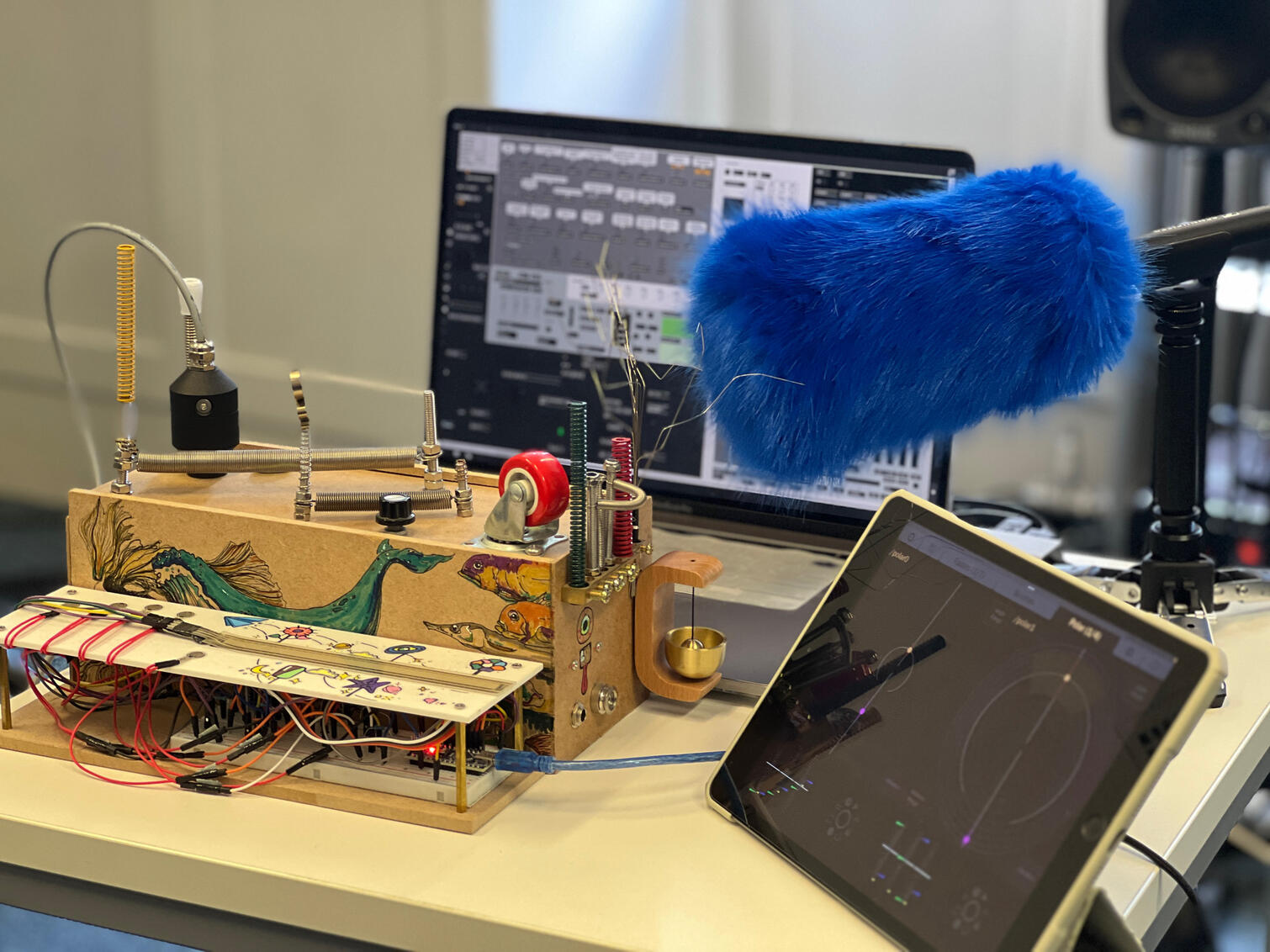
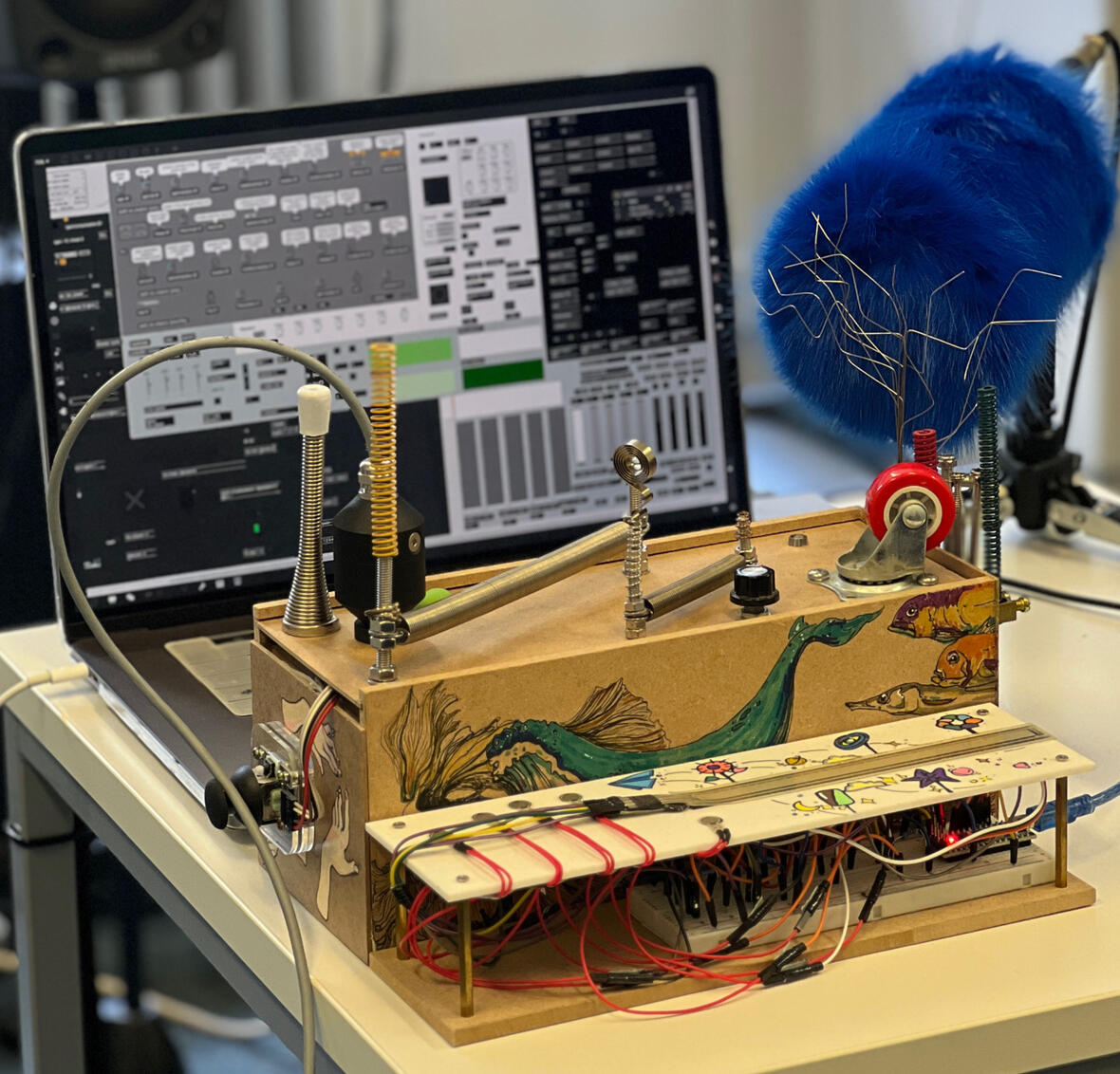
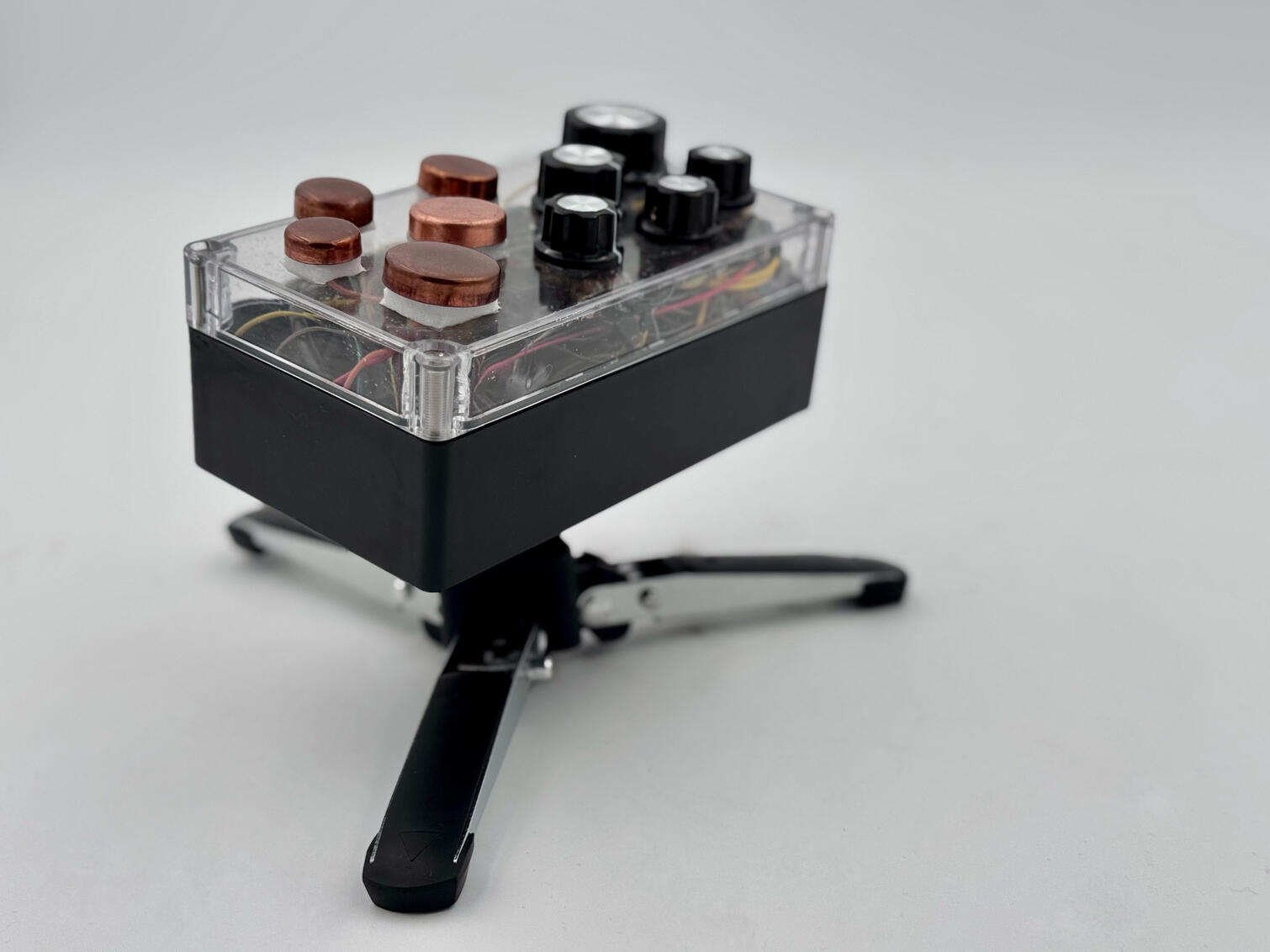
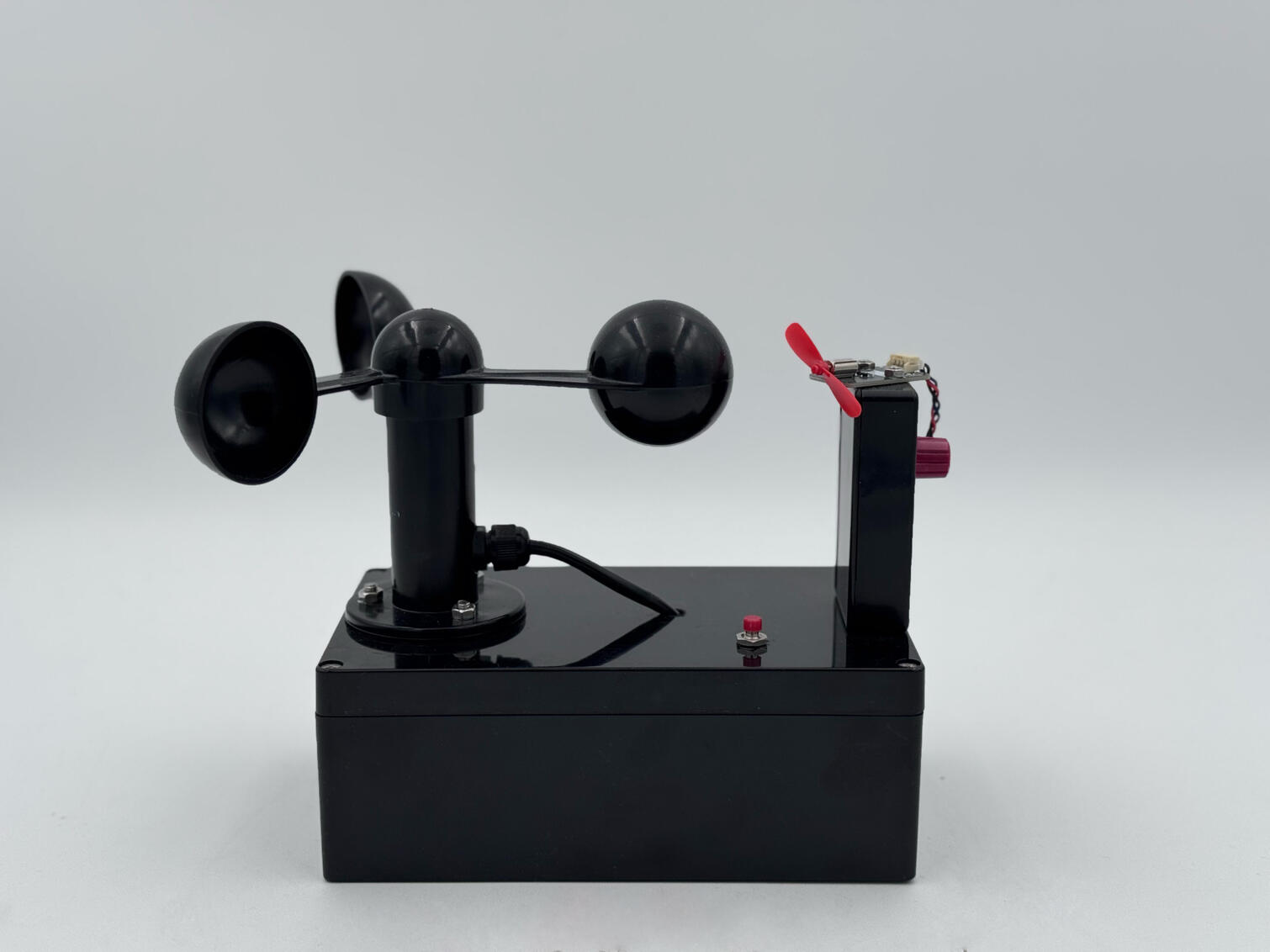
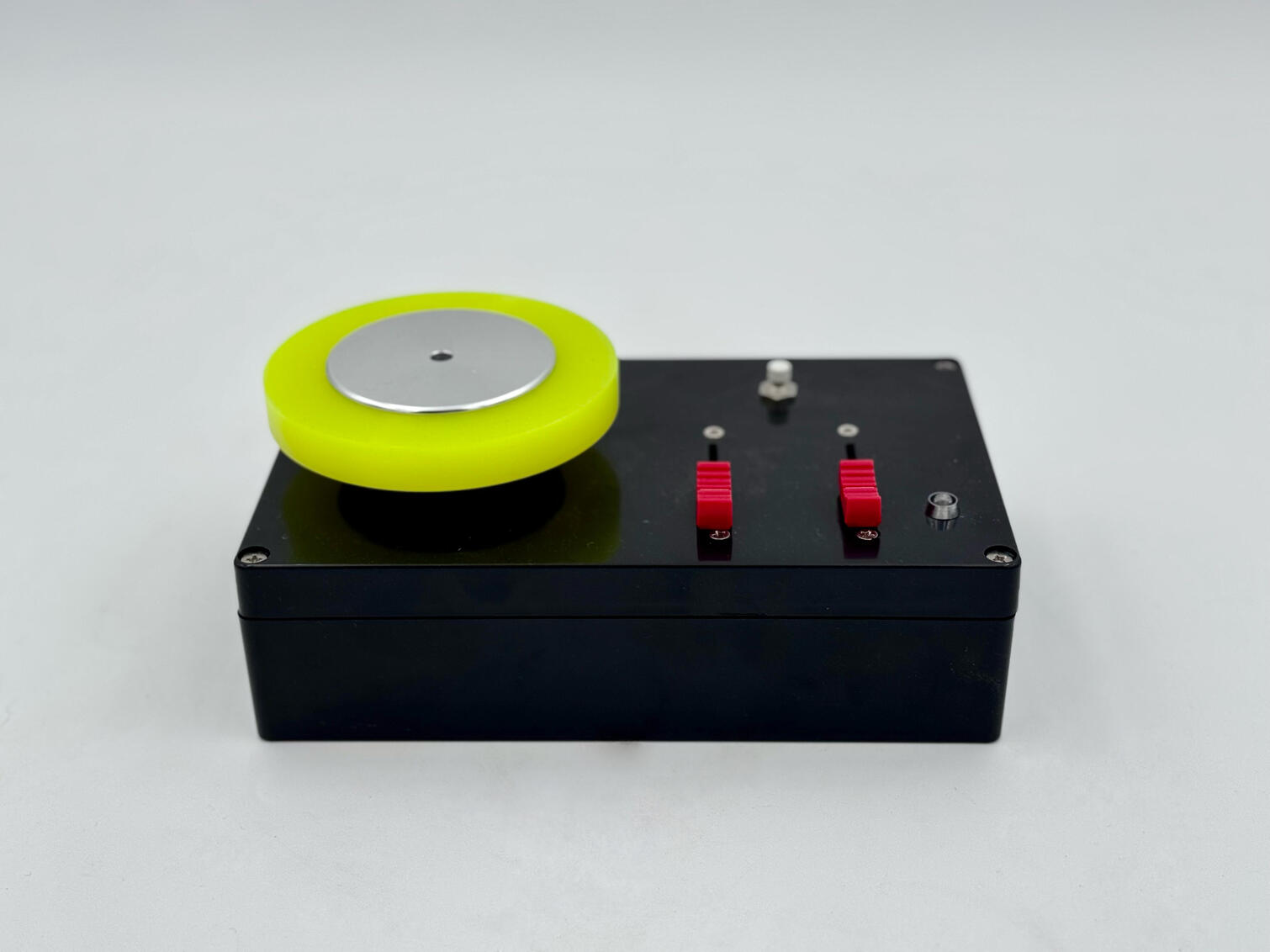
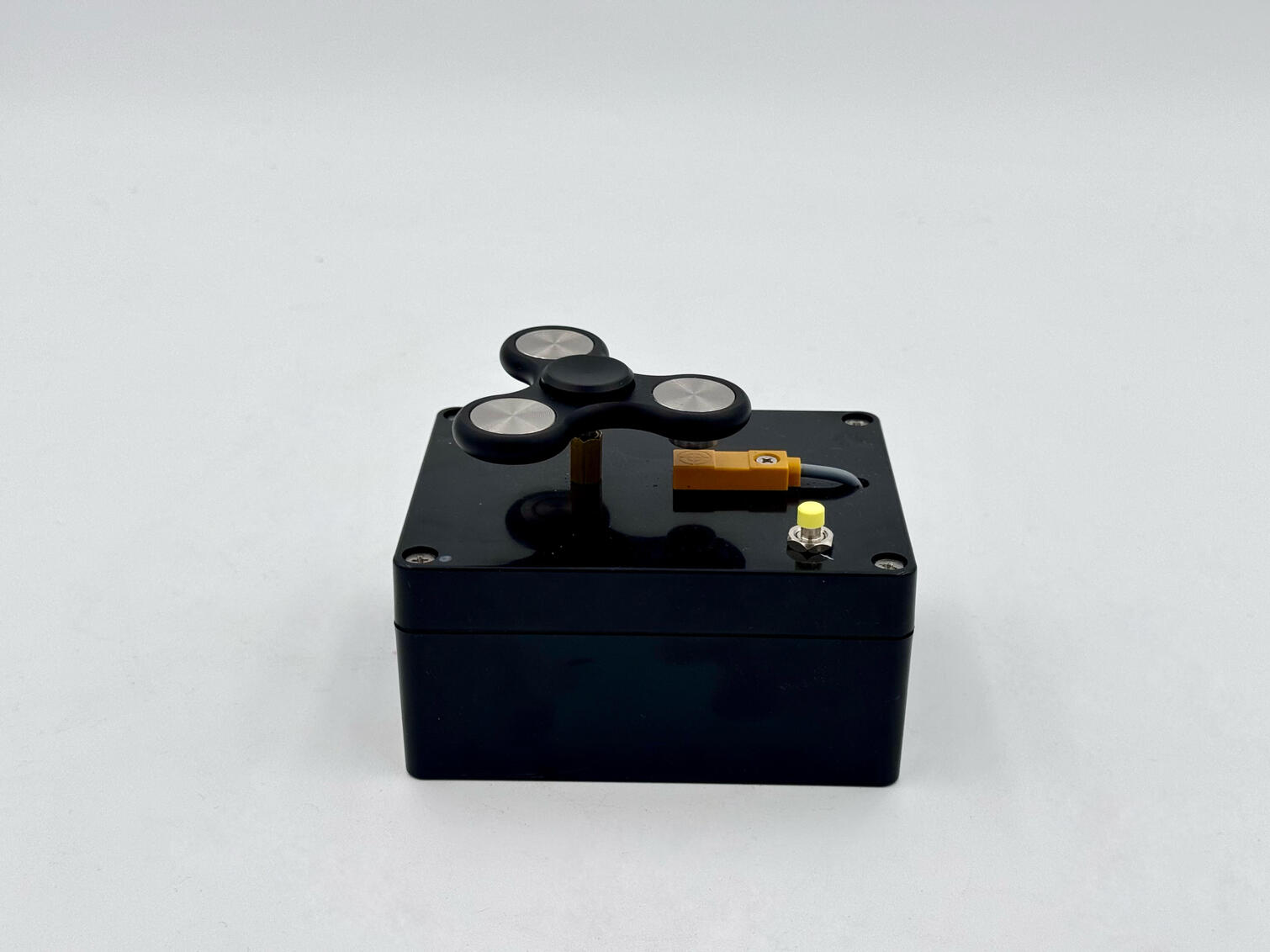
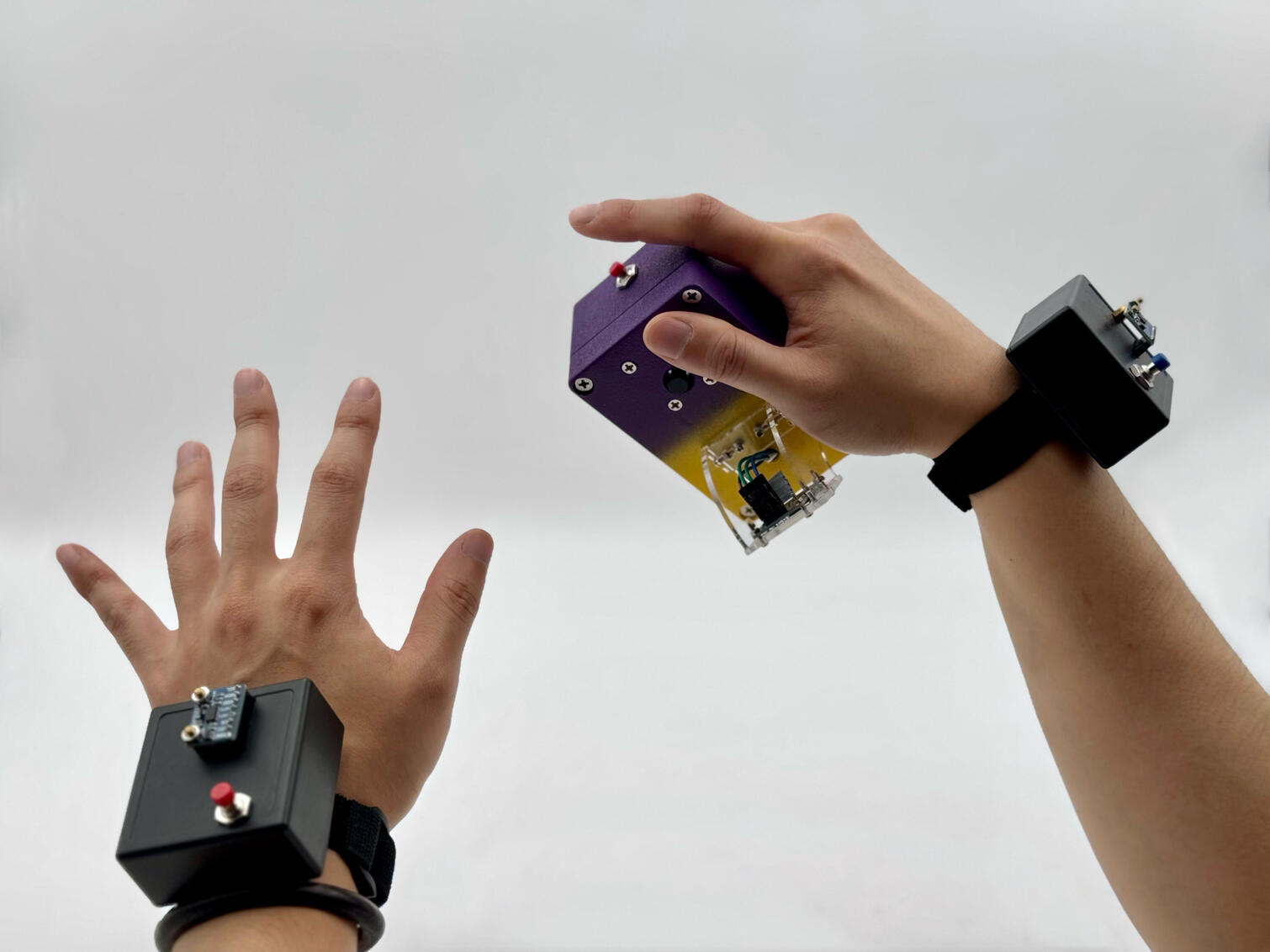
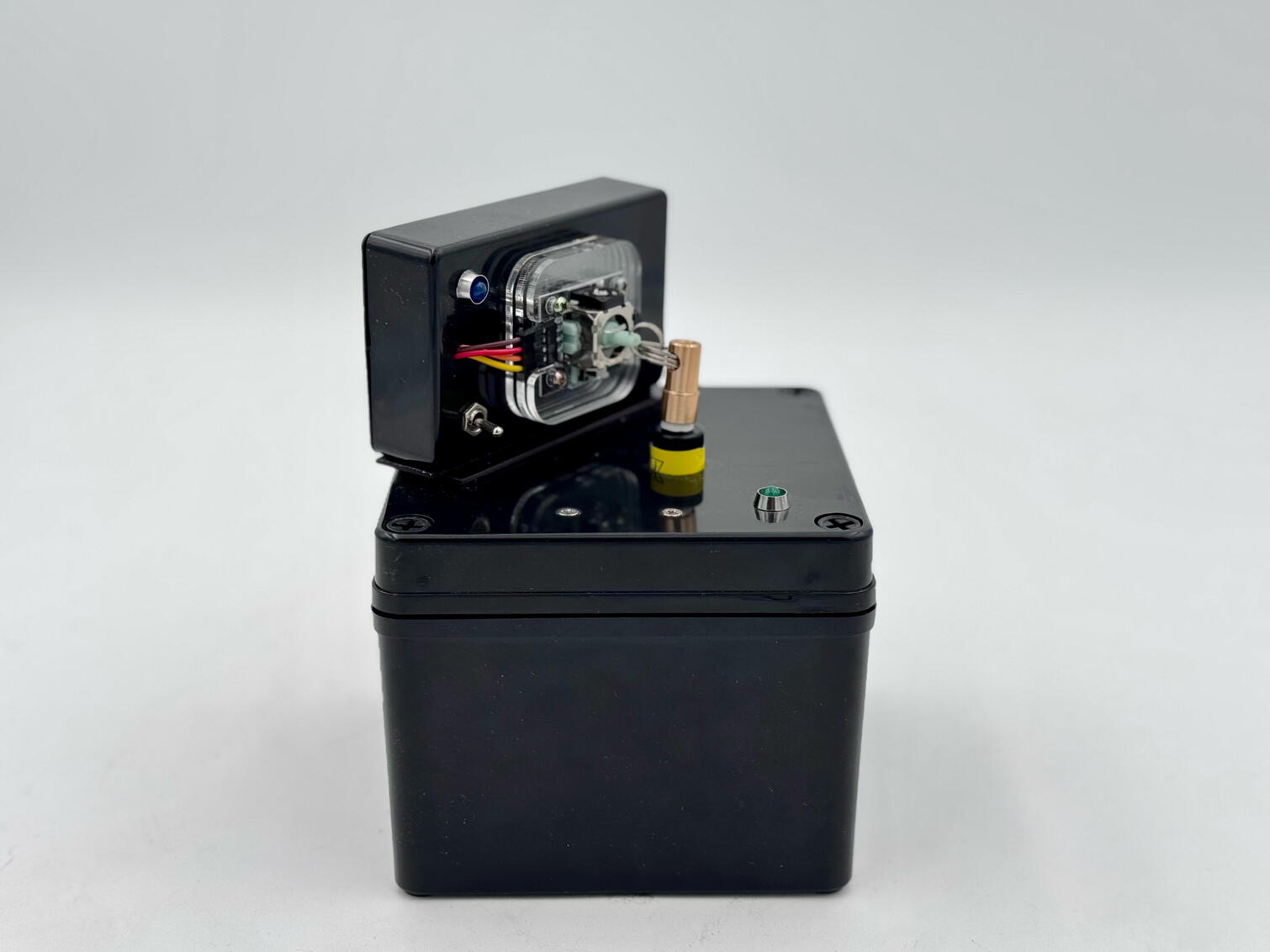
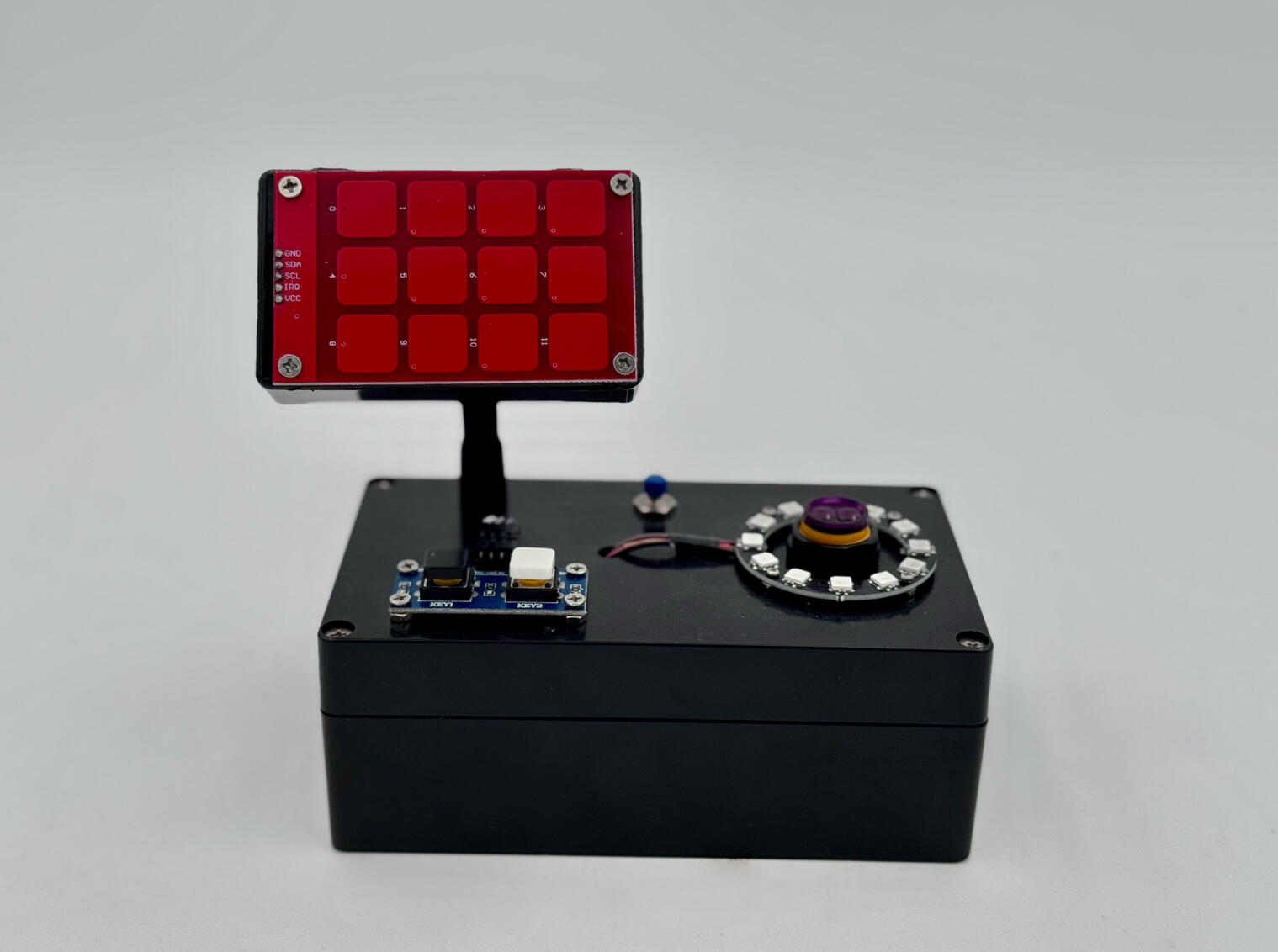
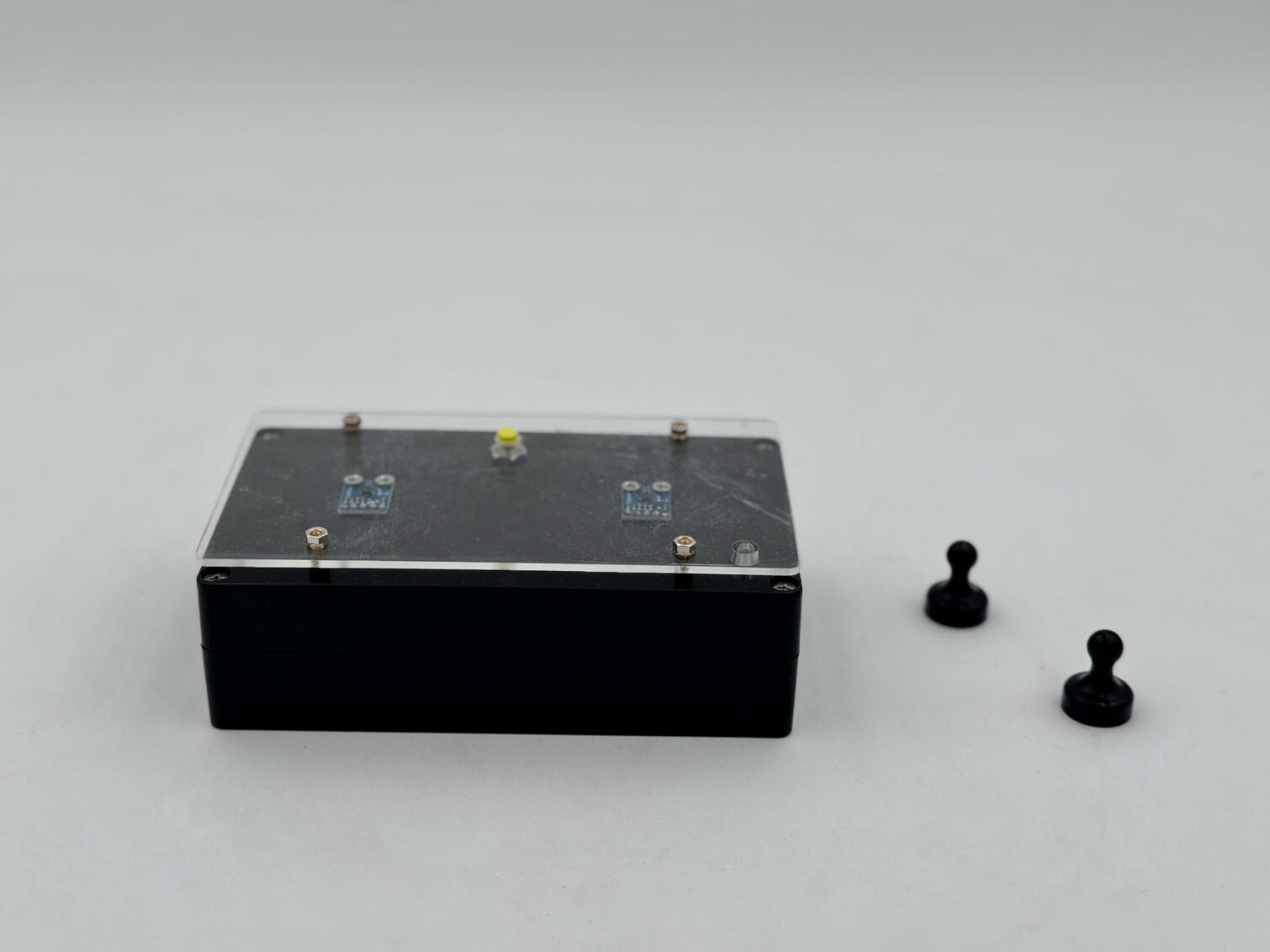
The new instruments/controllers I designed and made.
Events
November 2026, Sound and Music Computing Conference (SMC 2026), Music Biennale Zagreb, Zagreb, Croatia
November 2026, Texas Inter-Media Experience (TIME Fest 2026), Film Screening, Institute for Applied Creativity, Texas A&M University, Bryan–College Station, Texas, USA
November 2026, Aesthetica Film Festival, York, UK
October 2026, Sonic Nomads 2026, Fixed Media, Seoul National University Powerplant, Seoul, South Korea.
September 7–20, 2026, Radiophrenia 2026, Radio Broadcast, Glasgow, UK
August 18 – October 11, 2026, FILE FESTIVAL 2026 [Electronic Music Video], Fiesp Cultural Center, São Paulo, Brazil
August 2026, Birds Market II, Exhibition and Artist Talk, 7th European Conservation Genetics Meeting, Antwerp, Belgium
June 2026, SGSAH Digital Research Showcase 2026, Scottish Graduate School for Arts and Humanities, University of Glasgow, Glasgow, UK
June 2026, Black-White Mutuality, DEPTFORD TOWN HALL, Goldsmiths, University of London, London, UK
June 2026, Arts & Robotics Program, IEEE International Conference on Robotics and Automation (ICRA 2026), Vienna, Austria.
May 2026, Sonibaux, Published in TIE, National Library Collection, Japan
April 2026, ART INDEX 02, Exhibition, KON Space 101, Tokyo, Japan
April 2026, The Offline Exercise: Hypotheses on “Return”, Exhibition, Glasgow, UK.
December 2025, Sonibaux, Winter Issue, Superpresent Magazine
November 2025, International Electronic Music Competition(Shanghai)-Second Prize in Music Technology Design Category (Group C)——Sonibaux
November 2025, Solo Exhibition, The Glasgow School of Art, Glasgow, UK
November 2025, Visual Art Journal, Issue 41
November 2025, A Contemporary Art Exhibition, Faculty of Fine and Applied Arts, Chulalongkorn University, Bangkok, Thailand.
November 2025, Fluid Sample: Childhood and Memory, Multi-Cultural Art Festival 2025 ,Creative Asia Art Centre Le Grange Gallery, Melbourne, Australia
November 2025, MUSLAB 2025 – MANTRA: The Art of Healing, Teatro Prometeo, Quito, Ecuador
October 2025,GLEAM Festival(Glasgow Electronic and Audiovisual Media festival)
September 2025, Shortlisted for the 1st CCF China Computational Art Conference [Computational Art Exhibition], Jinan, Shandong Province, China
September, 2025, Silver Award (Second Prize), Unit 3: Creative Media Music, Main Competition, The 6th Denny Awards International Electronic Music Competition 2025
September, 2025, GOSIM Hangzhou 2025 Conference,China
September, 2025, PdMaxCon25~, University of Illinois, Chicago, USA
August 30 – September 12, 2025, 27th International Multimedial Art Festival (IMAF 2025, online / Novi Sad)
July 2025, NOIS//E nature art sound Festival, Calabria, Italy
July 2025, AIART Gallery at IEEE ICME 2025, La Cité des Congrès, Nantes, France
June 2025, New York City Electroacoustic Music Festival
May 2025, Fringe Arts Bath (FaB)
April 2025,Waves, Wind, Walks, Words Exhibition, The Glasgow School of Art
March 2025, Sichuan Flavor Aesthetics was featured on the Transcultural Listening Map, a digital knowledge platform by Bauhaus-Universität Weimar.
March 2025, New Faces: Emerging Identities Exhibition, Milan, Italy
February 2025, IEMC 2024 International Electronic Music Competition(Shanghai)-Second Prize in Music Technology Design Category (Group C)——Space Inside Space
February 2025, IEMC 2024 International Electronic Music Competition(Shanghai)-Third Prize in Music Technology Design Category (Group C)——Chao-flux.mono
January 2025, Re-generation Exhibition,The Glasgow School of Art
January 2025, The British Forum for Ethnomusicology (BFE)/Royal Musical Association (RMA) Research Students’ Conference
November 2024,MA/IN Festival at the Teatro Piccolo in Matera in Basilicata
November 2024,「in律」CONTEMPERAMENT Music Festival,London
October 2024,KORA Festival in Castrignano De' Greci (LE)
October 2024,GLEAM Festival(Glasgow Electronic and Audiovisual Media festival)
October 2024,Awarded Third Prize in the Electroacoustic Music with Image Category at the MUSICACOUSTICA-HANGZHOU 2024 Electroacoustic Music Composition Competition.
September 2024 , Sonic Sculptures 3: Playground of Sound, Nottingham, UK
August 2024,Beyond Reality exhibition,Glasgow—— Birds Market || ,X=
July 2024, Honorary Mention by MA/IN24 AWARDS
July 2024, ArteScienza Festival 2024 | Goethe Institut - Rome
July 2024, International Computer Music Conference 2024, Seoul, Sound in Motion
Season 2 2024,won the Platinum Prize in the Creative Video category at the World Melodia Championship —— Mixobloodfy
2024, Beeffie Creative Musical Artists Special Prize
July 2023,Universidad Autónoma de Madrid,Spain
March 2023 NLS Festival of Broadcast,Glasgow
November 2022,GLEAM Festival(Glasgow Electronic and Audiovisual Media festival)
July 2022,National and Kapodistrian University of Athens,Greece
June 2022,GLEAM Festival (Glasgow Electronic and Audiovisual Media festival)
2019-2021, Served as an adjunct Lecturer in music performance at the Communication University of Zhejiang, China.
December 2019, Lazy Rich Group (Zeppelin Terminal) Tour (Suzhou, Hangzhou, Shanghai, Ningbo)
October 2019, 5th Hangzhou Nature Carnival Concert
October 2019, Hangzhou Vitality Music Festival
May 2019, Sauce
April 2018, Qinzhou MIDI Music Festival
2017-2021, Founded and served as Principal of Damu Arts School of Music in China.
November 2017, Wuhan On Air International Music Festival
October 2017,Hangzhou Yunqi Xiami Music Festival
October 2017,Shanghai Simple Life Festival
September 2017, Recording for Jiangsu TV's China's Top Band Program
December 2016, Beijing Yue space QQ Music Peak Live House Recording
October 2016,Hangzhou West Lake Music Festival
October 2016,Chengdu GuoSeTianXiang Qianpeng Music Festival
October 2016,Shanghai Simple Life Festival
September 2016,Yinchuan Harvest Music Festival
September 2016, Xu Jun's 'Wansongling' Album Six-City Tour (Beijing, Shanghai, Nanjing, Wuhan, Guangzhou, Shenzhen)
June 2016,Ningbo Summer Solstice Music Day
May 2016,Strawberry Music Festival Shanghai
April 2016, Strawberry Music Festival Beijing
2013, Cooperate with EFMO(The Edinburgh Film music Orchestra)
June 2011, China art week in Hochschule für Musik und Theater “Felix Mendelssohn Bartholdy“ Leipzig, Germany
Contact
wubowenhz(at) 126(dot) com
The genesis of the original idea for this work came from an extension of my research on how pipa and electronic music can be hybridized into a new digital language. Because of my research I was exposed to a lot of concepts about hybridity, such as multiracial identity, or Cross-cultural hybridity. I have developed a growing interest in the complex interplay among diverse racial, cultural, and ethnic backgrounds, alongside the consequential shifts in identity formation and cultural dynamics. At the same time, as an artist who wants to integrate different cultural backgrounds into his creations, and who is challenged by identity exploration, cultural conflicts, self-acceptance, social recognition, etc. Mixobloodify's intention is to amplify this process of creating hybrid works, and to use abstract digital language to express the emotions brought about by real-life social issues. Homi K. Bhabha's text helped me locate the origins of creating Mixobloodify, capturing the chaos of a transitional era and the complexity of intersections between space, time, identity, and difference: : “ . . . Beginnings and endings may be the sustaining myths of the middle years; but in the fin de siècle , we find ourselves in the moment of transit where space and time cross to produce complex figures of difference and identity, past and present, inside and outside, inclusion and exclusion. For there is a sense of disorientation, a disturbance of direction, in the ‘beyond’: an exploratory, restless movement caught so well in the French rendition of the words au-delà – here and there, on all sides, fort/ da , hither and thither, back and forth.”(Bhabha, 2004, 2) In the creation of Mixobloodify, I recorded my own playing of the pipa as the sound source, which was processed through Max/MSP and interacted in real-time with the visuals created using TouchDesigner. The pipa is the sound source in the work that most embodies Chinese elements. Although it has foreign origins, it has developed many pieces and techniques with distinct Chinese characteristics through long-term localization and development. Mixobloodify, while emphasizing the concept of "harmony" in traditional Chinese music aesthetics, uses algorithms such as reverse delay, ring modulation, spectral freezing, and granular synthesis to create the unique "texture" of the pipa, which is then combined with noise to form the unique sound aesthetic of this work. In the visual creation, the colors red, white, and black run through the entire piece, becoming a very important thread. Mixobloodify is a new term created along with the work, and because of the "blood" suffix, it easily associates with red, usually seen as a symbolic metaphor with unique aesthetic and narrative functions.Reference
Bhabha, H.K. 2004, The location of culture, Routl classics / with a new preface by the author. edn, Routledge, London.
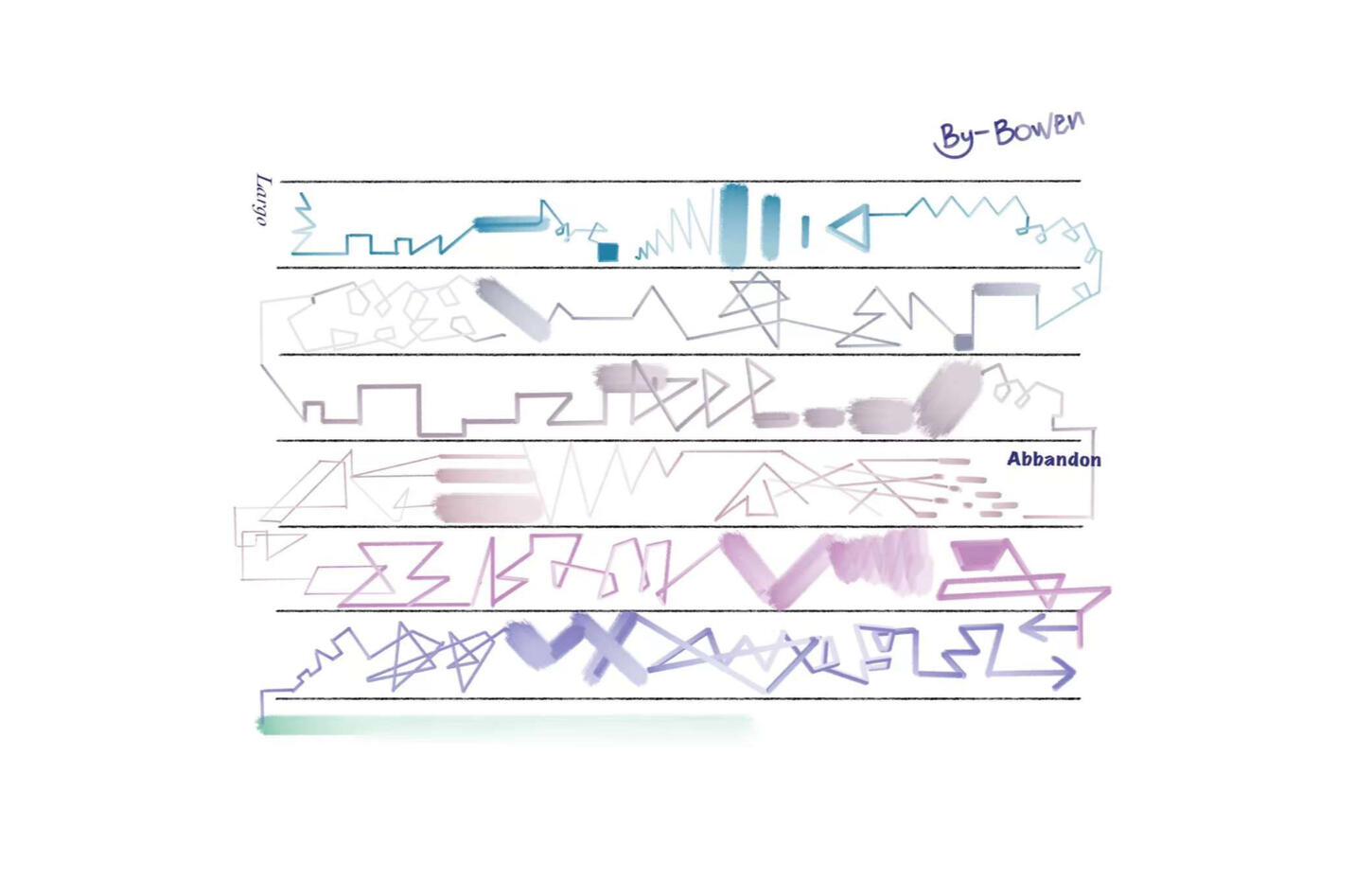
Chao-flux.mono is an audiovisual live performance that developed from a personally crafted instrument/controller (Spherum), designed primarily to explore the relationship between hand movements, body motion, sound generation, and visuals. In terms of sound, birdcalls, vocals, pipa, and percussion are considered the four elements of a vector synthesizer(I used the 2D corpus exploration from FluCoMa to train some machine learning-based models with samples I recorded.) controlled through gyroscopes and a joystick. The XYZ acceleration of the gyroscope and the XY axis of the joystick act simultaneously at different angles. This means that a 3D control result is formed, where changes in the angles of the performer's hands lead to variations in the combined outcome, resulting in a multidimensional control effect. The draw wire sensor and foot pedal have become controllers for both audio and visual effects. The display aspect involves the real-time capture of movements by the laptop's camera, presenting a predominantly black-and-white ink painting. Sound, visuals, and performance mutually influence each other, collectively completing this work. All calculations are performed in real-time by transmitting body movements to two interconnected laptops.
The design concept of the Chao-flux.mono system aims to offer a balance where performers do not require extensive training or practice, akin to traditional instruments, yet can leverage improvisation to create music without being led or interfered with by computer programs. This approach circumvents the challenges often found in many contemporary new instruments or interactive systems, where, due to their complexity, they become playable only by the creators themselves, or where the level of control is reduced due to being overly programmed..It allows any performer, with simple understanding, to engage in improvised playing through control of their body and hands, while retaining a degree of control or personalized results over the produced sound.
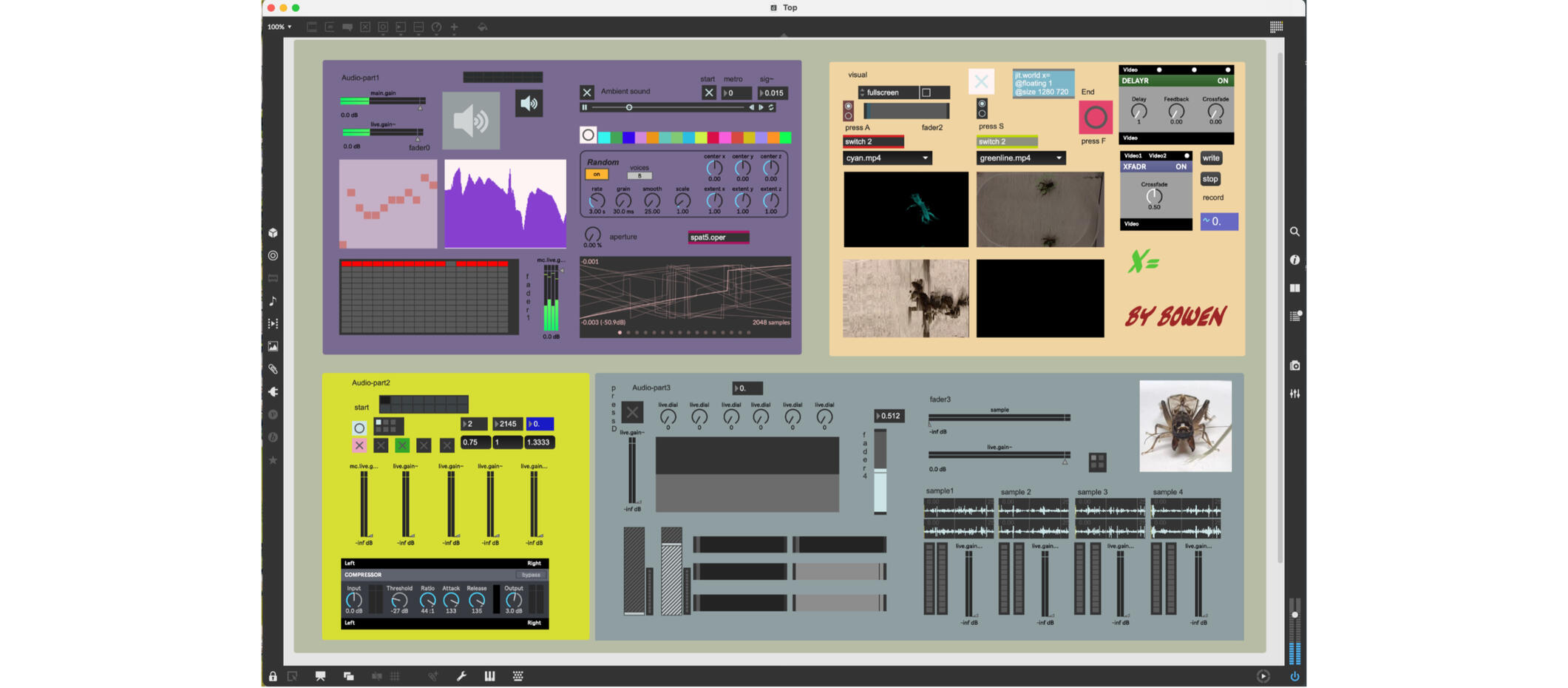
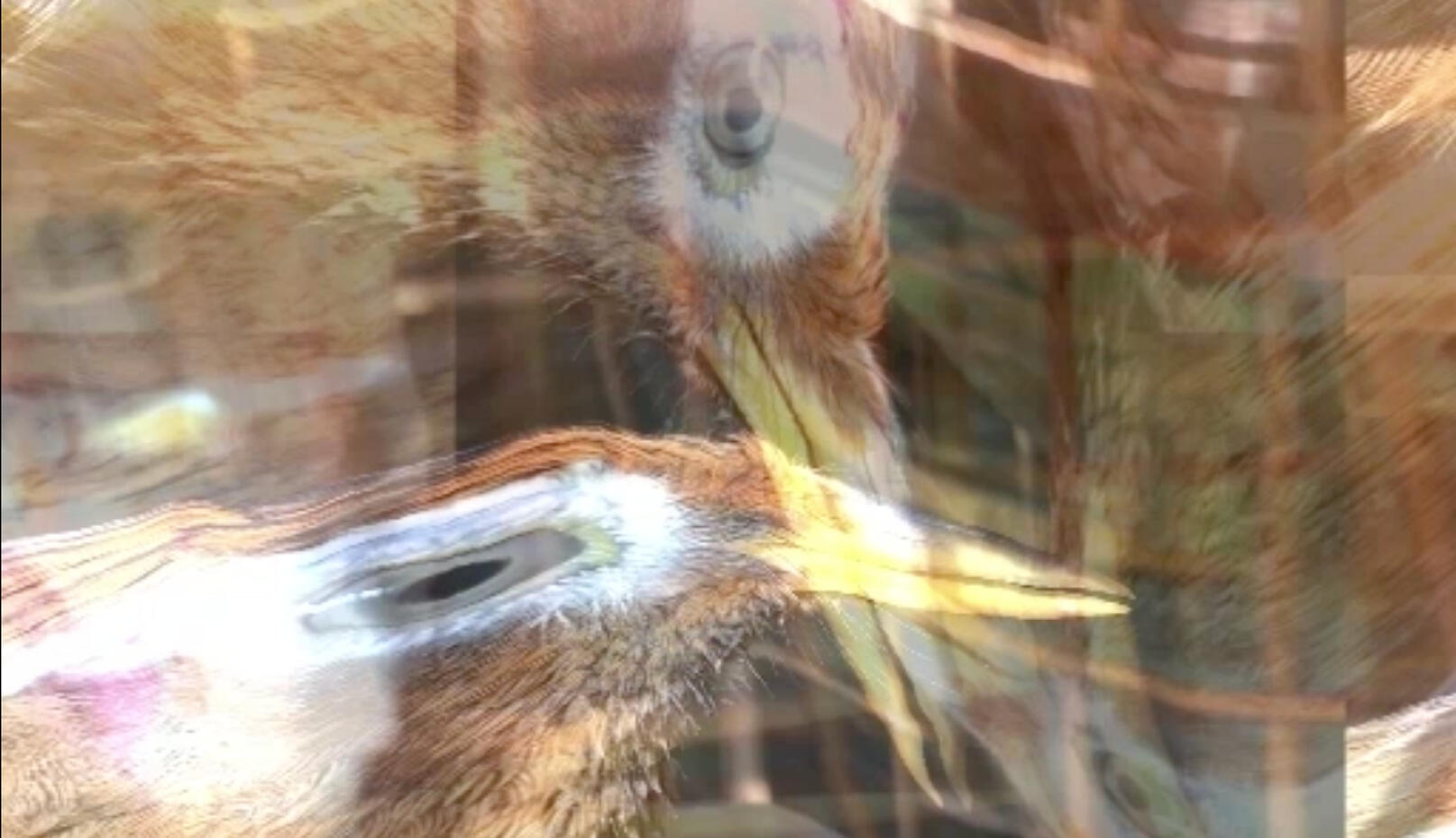
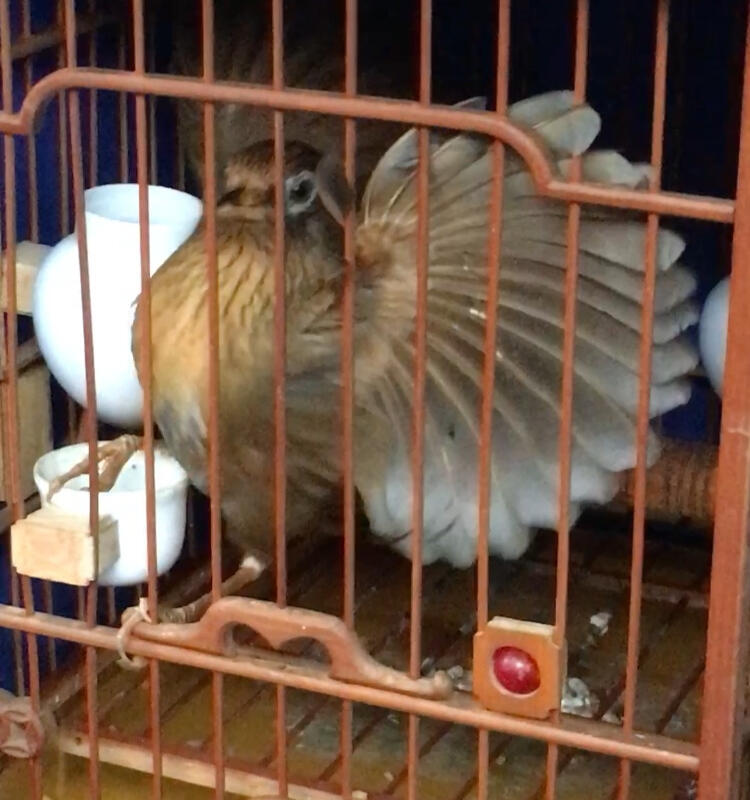
This work is an audiovisual live performance system that processes both image and sound captured from a bird which I domesticated as a pet in China. The results or final effects for this piece are diverse as the system is flexible and different performers under different cultural contexts will bring their own understanding and aesthetic values to any performance of the work. The initial idea came from my childhood: the bird market used to be my favourite haunt, and bird sounds remind me of that happy time.
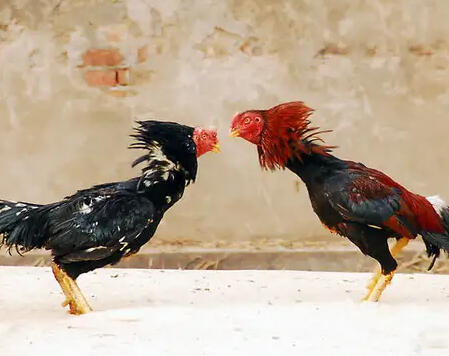
Birds Market II is an extension of my work Birds Market. Birds Market is an audiovisual live performance system that creates work by processing the images and sounds captured from a bird I domesticated in China. Birds Market II inherits this core concept but reinterprets it through a fixed media format, exploring the fluidity of memory, identity, and culture.The work unfolds through a dual perspective of “inside and outside the birdcage”: the view from inside conveys a sense of limitation, while the view from outside evokes openness and freedom. This contrast intertwines with my memories of the bird market from my childhood—the place I loved most. The bird calls, the movements within the cages, and the noisy environment formed my earliest sensory world. Fragments of sound and memory overlap in the work, allowing identity to flow and transform across different temporal and cultural contexts.The work also connects to Chinese traditional culture—cockfighting was once a significant form of entertainment—but I use art to encourage a critical re-examination of this practice. The images and sounds of the birds not only carry my childhood experiences but also reflect aspects of culture that are often normalized yet deserve reconsideration.Birds Market II is a meditation on memory, identity, and culture. Using sound and imagery, the work allows time, space, memory, and identity to intersect and flow, presenting a dynamic and open relational state rather than fixed boundaries or oppositions.
x= is an audiovisual live performance piece which inspired by a time-honored Chinese folk game of cricket fighting. The meaning of x= is cross and parallel, which is a metaphor for the intricate relationships between people or animals. The visuals are created using fluid effects, pixel separation and integration of glitch art, the sound is built on an eight-channel surround system. The performer can control the sound and image in real time through the controller during the live performance and make them interactive. This fixed media version of X= is a recorded version of my live performance, where the multi-channel audio has also been mixed down to stereo.
Cirquadr is coined to represent an object possessing characteristics of both a circle and a square, or to depict a process where one shape gradually transforms into another. "Turning a circle into a square" is a concept originating from Chinese philosophy, stemming from the Yi Jing. This concept is often associated with personal cultivation, governance, and career development, emphasizing continuous effort and self-improvement to bring things to their most perfect state. This piece utilizes Supercollider and Touch Designer as platforms to facilitate interaction between music and visuals, suitable for exhibition in the form of audiovisual installation art.
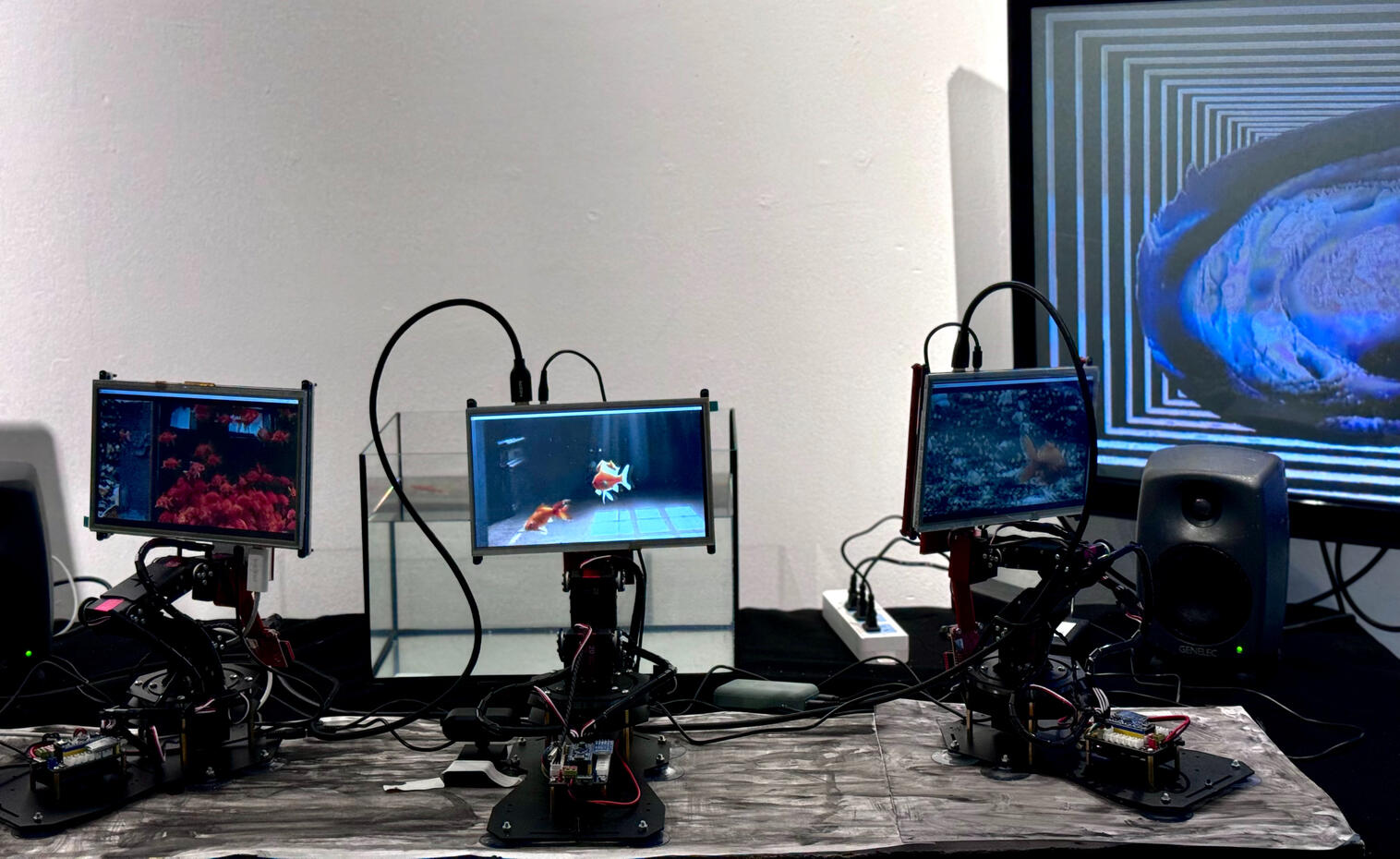
This audiovisual installation takes the image of a fish swimming and exploring in the cosmos as its point of departure, constructing a dynamic performance that blends biology, algorithms, AI, and mechanical systems. The fish’s movement is not only biological but also data-driven—situated in a computer-generated environment where its trajectory, visual presence, and sonic feedback are shaped in real time by algorithmic processes.At its core, the work reflects on performance art through the lens of posthumanism, where technology ceases to be a mere tool and emerges as an active creative force. The traditional role of the human performer is reexamined, as non-human agents—AI vision systems, algorithmic programs, robotic structures—challenge and potentially displace human uniqueness on stage. This raises pressing questions: Is the human performer still indispensable? Can non-human intelligences act as artistic agents? Can algorithmic logic give rise to new, non-human modes of improvisation and expression?Beyond performance, the piece also considers the reconfiguration of carbon-based life in the digital age. The particle-based visual representation of the fish symbolizes the transformation of organic life within the data realm, suggesting that digital technologies are reshaping perception, behavior, and identity. As artificial intelligence, neural networks, and brain-computer interfaces evolve, artistic creation increasingly becomes a multi-agent collaboration, breaking away from anthropocentric paradigms toward a mode of heterogeneous co-performance between humans, machines, and living systems.Ultimately, this work is not only an experiment in techno-artistic synthesis, but also a philosophical inquiry into the shifting role and boundaries of the human in the emerging performance ecologies of the future.
This work is a live sound performance that explores sound as a process rather than an objectified entity, foregrounding its continual emergence, fluidity, and transformation over time. In this piece, sound is not treated as a fixed form but as a dynamic phenomenon whose configuration remains indeterminate and perpetually evolving.
The work begins with a self-made wooden board as the source of sound, while a controller box guides its flow and transformation. The title Vascellum derives from Latin, meaning “vessel” or “container,” symbolizing the conditions and space in which sound comes into being. The box functions both as an operational tool and as a metaphorical object: it does not confine the sound, but instead provides an open, virtual field where sound can flow, unfold, and evolve spontaneously.
From the perspective of Daoist philosophy, the generation and movement of sound embody the idea of “the formless giving rise to form.” Form is not imposed by external forces but emerges naturally within given conditions and structures. Sounds continuously intersect, overlap, and disperse, accompanied by the chaos and complexity inherent in the process of becoming—echoing Daoist reflections on flow, impermanence, and the self-organizing order of nature.
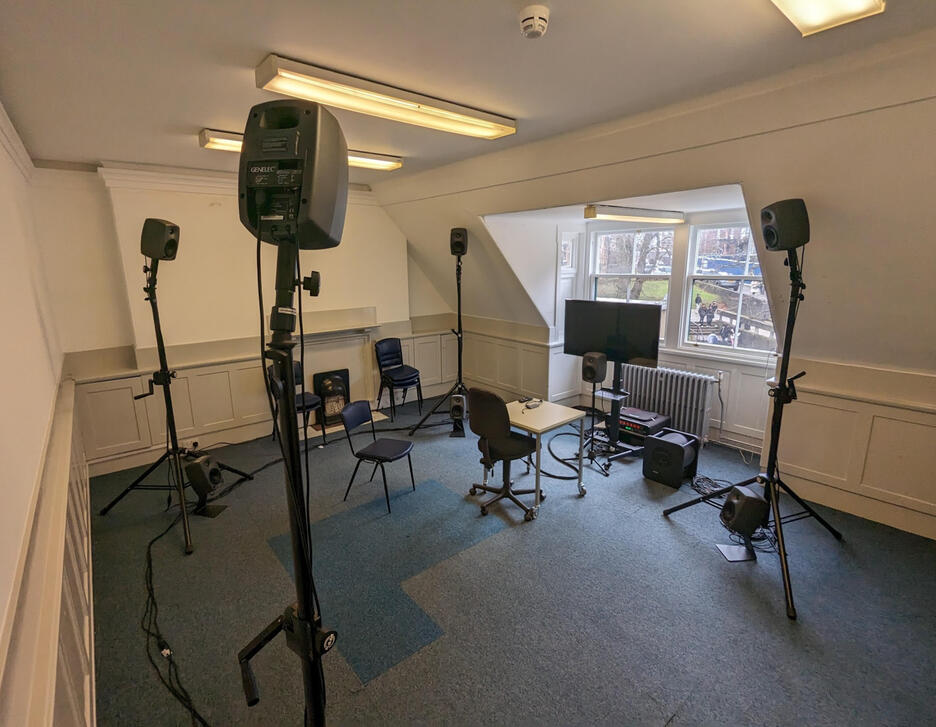
This piece is an 8-channel live performance created within a spatial environment. The performer creates sonic landscapes of different spaces through live performance, mixing them in real-time, leading the audience into a framework bordering between reality and surrealism, prompting a reevaluation and reassessment of the essence and significance of reality.The auditory experience includes underwater sounds, the internal vibrations of a train, the sound of a bird flapping its wings in the air, and live sounds sampled in real time from a noise box I designed and built into a computer, as well as controllers I designed and built to play synthesizers in the live. These sounds traverse through the spatial environment between eight speakers set up in a cube configuration, controlled by a Parat+ app running on an iPad to manipulate the spatial orientation and parameters of the sound. The intention is to stimulate the audience's reflections on existence, dimensions, and reality. (Due to the video being exported in binaural, please listen with headphones.)
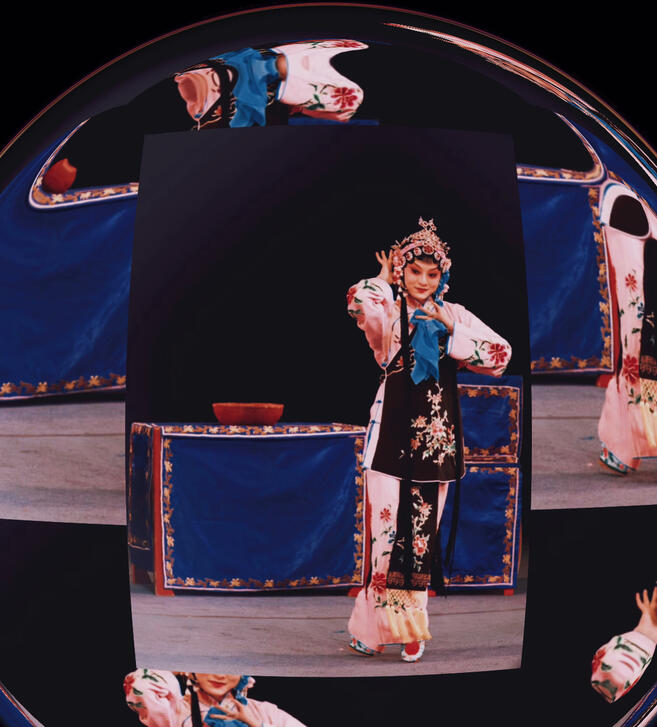
This piece was composed for Peking Opera/string quartet/percussion/electronic sound. The vocal sound was recorded by one of my friend who is a Peking Opera artist and we did the recording in my home studio.Peking opera is the national treasure of China and is characterised by the use of Erhuang and Xipi as the main vocal cadences, and its blowing tunes are mainly from Kunqu. The roles in Peking Opera can be divided into four categories: 1. sheng(male roles),2. dan(female roles),3. jing(roles with painted faces),4.chou or clown (a comic character).In Peking Opera, many female roles are played by male actors, and this contrast creates a special beauty both in visual and aural.For example, Mei Lanfang, China's most famous Peking Opera artist, who is a man, but played deeply popular female roles(dan). This piece is intended to express the opposition and unity between the contradictory elements of female’s softness and male’s strength.
This piece was composed for the National Library of Scotland and performed at the NLS Festival of Broadcast on March 15, 2023. I selected three audio clips from historical sound archive as the primary elements: the spoken voice from "BBC Town and Country VHF Area...", the bells from "Magnus Bells...", and the fire engine bells from "Old Leith”. As a foreigner living in Scotland and not having lived through that period of history, all my images of Scotland come from the present day and from historical sources or stories that people tell me, which is not necessarily a bad thing in terms of creating something that gives me material to work with and leaves a lot of room for my imagination. After listening to the original recordings, I had a lot of images in my head that started an interesting journey in my mind, trying to take myself back to that "old days" with the sound of the bells, where I looked for some clues and traces of Scotland's past .......
This soundscape composition project was completed in Chengdu, Sichuan, with the primary aim of exploring how distributed cognitive systems influence the entire creative process. Consequently, many external tools were used experimentally, such as computer programs built with Max/MSP and various recording devices like different microphones.
Microphone List
BasicUcho——Lom
Pluggy——FEL Communications Ltd
Clippy Ultra——FEL Communications Ltd
Geofón——Lom
Elektrouši——Lom
C-SERIES PRO+ ——Jez Riley French
H2D——Aquarian Hydrophone
Binaural microphone Kit——SE3D
MKE 600——Sennheiser
Hi-Sound Compact——Dodotronic
MikroUši Pro——Lom
CM4——Line Audio
Recorder List
Zoom F3
Zoom H1
iPhone
TRC-515M——Sanyo(MicroCassette Recorder)